


Making money online without experience is possible. Choosing the opportunity can be hard for someone who is just starting. Making money online without experience may happen even if a person has no portfolio, no clients, and no money to invest. The good news is that many online income opportunities let beginners start with skills and grow those skills over time.
The key is to pick a method, learn what it requires, and act consistently. Making money online without experience works best when a person does not try all opportunities at once.
In this guide, a person will discover seven ways to make money online without experience. The guide will explain what is needed to start, how to find opportunities, and how to move toward the online earning chance.
Table of Contents
Can You Make Money Online Without Experience?
Yes, you can start making money without formal work experience. However, that does not mean that every online opportunity requires no skills, effort or learning.
Many beginner-friendly online options involve tasks that you can learn quickly, such as organizing information, helping with work, testing websites or making simple digital products.
Your results will depend on factors, including how much people need your chosen online service, how good your money-making work is, how well you can find online opportunities, and how much time you can give to learning.
It is also important to tell the difference between earning money online and building a sustainable online income. Some online opportunities give occasional tasks, while others can grow into a long-term career or business.
If you are new to work, start with one method that matches your current abilities and build from there.
What Do You Need to Get Started?
Exploring income opportunities does not always require an expensive computer setup, paid training or advanced qualifications. Begin with the resources you already have and only invest in tools when they become necessary for online income opportunities.
Basic Skills You May Already Have
Many useful online skills are built from activities. For example, skills might already include organizing schedules, speaking clearly, writing documents, searching for information, or using basic office software.
Skills can open doors to services such as assistance, data entry, customer support, and content help.
Before choosing a service, look at skills you already have and skills you still need to learn.
Free Tools and Learning Resources
Depending on the method you pick, you might need an internet connection, a computer or a smartphone, an email address, and some basic tools for getting things done.
Free tutorials, step-by-step guides and hands-on practice projects can help you get started without spending money on courses.
Before signing up with a platform, check how they handle payments. Some places don’t allow users from certain countries, require you to verify your ID, set a minimum amount before you can get paid or only offer a few ways to receive money.
How to Build a Portfolio Without Clients
I see that beginners often face a challenge: proving their abilities without previous clients. I can help beginners by creating sample projects.
For example:
- I notice that a virtual assistant can prepare a sample schedule or spreadsheet.
- I see that a writer can create two articles on topics that the writer understands.
- I see that a designer can create sample social media graphics.
- I see that a data entry beginner can organize a small sample dataset.
- I see that a digital product creator can design a planner or checklist.
Clearly label these projects as samples rather than paid client work. Never claim that you completed work, for a client if you did not.
A small relevant portfolio can help potential clients understand what you are capable of doing.
7 Ways to Make Money Online Without Experience
Here are the options that give you starting points. Some options focus on giving services; others focus on finishing tasks. Some focus on building a small business. Take a look at the requirements for each option before deciding which option deserves your time.
1. Become a Virtual Assistant
A virtual assistant helps businesses, entrepreneurs, or independent professionals with remote administrative tasks.

Depending on the client, responsibilities may include sorting email, setting up appointments, updating spreadsheets, digging into research, preparing documents, or handling admin tasks.
What you need to get started
You should be organized, speak clearly, follow instructions, and notice details. Knowing spreadsheets, calendars, and document editors helps a lot.
How to start without experience
Pick two or three services you can do well. Make a sample that shows your organization skills. Then write a description of the service telling clients what you can help them with.
Search for entry-level assistant opportunities through trusted freelance marketplaces, real remote job boards, and professional networks. Look at each opportunity closely before you apply.
Potential challenges
Competition can be high. Some clients want experience with certain tools or industries. Start with tasks you understand rather than promising services you cannot yet deliver.
2. Apply for Entry-Level Remote Jobs
Remote jobs let you work for a company without needing to go to an office. Some companies offer entry-level roles like customer support, appointment scheduling, administrative assistance, or basic operations support. These positions can be done from home or any place with internet access.

Unlike freelancing, these roles may provide a structured schedule and defined responsibilities.
What you need to get started
Requirements vary by employer. Some positions require written communication while others may require specific language skills, computer knowledge or a quiet working environment.
How to find opportunities
Search established job boards and the official careers pages of companies that hire workers. Use terms such as “entry-level jobs,” “remote customer support,” and “junior administrative assistant.”
Read the eligibility requirements carefully the location restrictions. A job advertised as remote may only be available to applicants living in certain countries.
Prepare a résumé that highlights transferable skills, education, relevant projects, and any practical experience you have gained.
Potential challenges
Remote entry-level positions can attract applicants. Some employers also require customer service experience, specific working hours, or reliable equipment.
Apply selectively. Tailor your application to each role rather than sending the same résumé to every employer.
3. Offer Simple Freelance Services
Freelancing lets you give services to clients on a project basis. Freelancing can start with a service that fits your current skills, and then you can grow your offering as you gain more experience.

Potential beginner-friendly services include:
- Proofreading and editing.
- Simple social media graphics.
- Web research and information organization.
- Document formatting.
- Basic presentation design.
- Content uploading and website administration.
Choose a service you can deliver consistently. You do not need to advertise yourself as an expert in everything.
How to start
First, select one service and study the standards clients expect. Next, create two or three samples and write a clear description of the problem the service solves.
You can explore freelance marketplaces, professional communities, and direct outreach to clients. Before accepting a project, make sure you understand the deliverables, deadline, payment terms, and revision expectations.
For detailed guidance, read our guide, Freelancing: How to Start a Successful Career in 2026 on Digital Eclat.
Potential challenges
Finding a client may take time. First client may need to improve samples refine offer and submit well-targeted applications before receiving a response.
Do not compete solely on price. Focus on reliability, clear communication, and delivering what the service promises.
4. Test Websites and Apps
Testing a website and app means looking at a product and telling about any issues or giving thoughts on how easy it is to use.
Depending on the device and the job you could be asked to go through a website do a task talk about how it feels to use it or find parts that’re hard to understand.
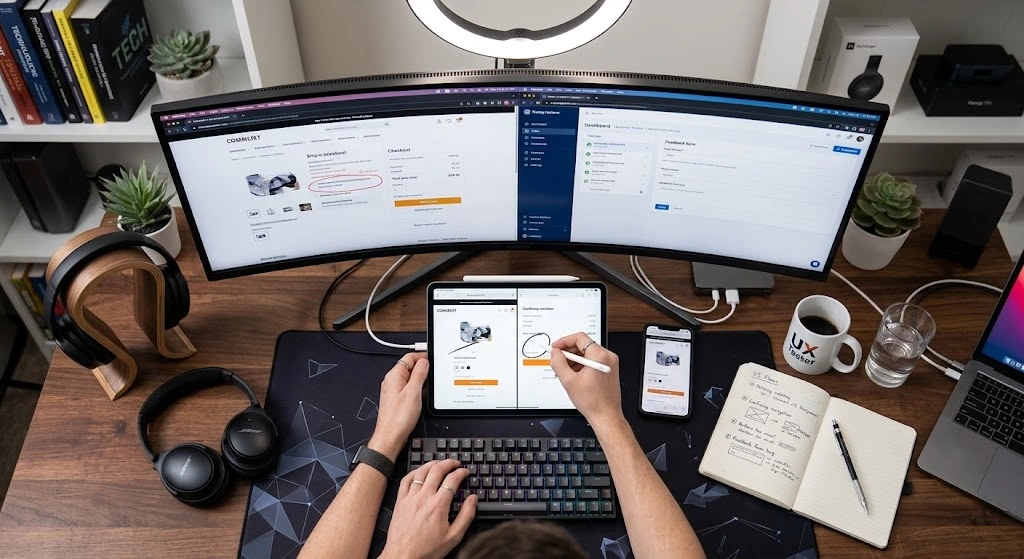
This choice can work for people who like to look at websites and talk about what’s good or what could be better.
How to begin
Find user testing services that’re well known and read what they say about the people who join. Some sites ask for a test first, a device that works, a microphone, or the ability to say what you are thinking as you test.
For instance, you can look at the information for people who help on UserTesting.
Before you sign up, make sure the site allows people from where you live and has a way to pay you that you can use.
Possible problems
You might not always get a test to do. You may have to answer some questions to see if you can do a task, and the number of chances you get can change.
Think of website testing as a way to make some money instead of a job that gives a regular paycheck.
5. Explore Transcription and Data Entry
Transcription means turning audio or video into written words. Data entry means putting in, changing or arranging information in systems.

These tasks may appeal to beginners who enjoy working carefully with text, numbers, and clear structure.
What you need to get started
For transcription, useful abilities are typing, good listening, correct spelling, and proper punctuation. I find that clear guidelines help. For data entry, attention to detail, basic spreadsheet skills and a steady routine are essential.
Some transcription assignments also need knowledge of a language, special terms or transcription software.
How to find opportunities
Look for established transcription companies, reputable freelance marketplaces and employers who post data‑related jobs. Carefully read the application steps, payment details and eligibility rules before sharing information.
You can practise by transcribing a recording that you have permission to use or by setting up a sample spreadsheet. I have found this helps build confidence.
Potential challenges
Entry‑level tasks can feel repetitive. Competition can be strong. Transcription also takes longer if audio quality is bad or if speakers use terms.
Compare the expected workload with the payment offered, assuming every task is worth your time.
6. Sell Unused Items Online
I find that selling items you no longer need is a simple way to try online selling. Online selling does not require you to create a brand product. When you sell what you already have, online selling becomes easy and accessible.

Depending on demand, you might sell books, clothing, electronics, accessories, or household items that are in good condition.
How to get started
Pick items you already own and’re ready to part with. Take photos. Write descriptions. Be open about any flaws or wear. Check prices for items to set fair rates.
Use a trusted marketplace that works in your area. Read the rules carefully. Know what fees apply. Plan ways to accept payment and deliver the items.
Potential challenges
This approach depends on the things you already have. Whether people want to buy them. It’s not an income because you can only sell what you own. At some point, you will run out of things to sell.
If you later want to buy products to resell, do your research. Look at costs, customer demand, and possible risks before spending money.
7. Create Simple Digital Products
Digital products are files or resources that customers can buy and download. Digital products include printable planners, checklists, templates, worksheets, and original educational guides.

Unlike selling things you no longer need making digital products means creating something that you can sell again and again.
Just making a product does not automatically bring sales. You must know who you are talking to, build something that really helps, and figure out how to let people know about it.
How to start without experience
Start with a problem that you understand well. For example, you might design a planner, a content calendar, or a basic budgeting worksheet.
Use tools that you already know to build something helpful. Check it carefully for mistakes, make preview pictures, and write a description that tells who will benefit and how to use the product.
Look for selling platforms that fit your needs and read their fees, payment options, and rules before you publish.
If you want details about this model, read our article, Selling Digital Products for Passive Income in 2026 on Digital Eclat.
Potential challenges
Creating a product takes time. Getting customers can be harder than making the file. You may have to refine the product, try descriptions, and learn some basic marketing.
Digital products can help build a long‑term income plan. They are not a guaranteed passive income.
Which Online Income Method Is Right for You?
The best choice depends on your skills, how much time you have, your budget, and the type of work you like.
Use the following comparison as a starting point.
| Method | Main requirement | Starting cost | Income potential |
|---|---|---|---|
| Virtual assistant | Organization and communication | Often low | Can develop into recurring client work |
| Remote entry-level job | Employer-specific qualifications | Usually low | May provide regular employment income |
| Freelance services | A useful, demonstrable skill | Often low | Can grow with experience and demand |
| Website testing | Ability to follow instructions and give feedback | Usually low | Typically dependent on available tests |
| Transcription and data entry | Accuracy and attention to detail | Often low | Depends on workload and rates |
| Selling unused items | Items to sell | Low if using existing belongings | Usually limited by available inventory |
| Digital products | Product creation and marketing | Can be low | Depends on demand and sales |
“Low cost” does not mean free. Internet access, equipment, platform fees, transaction costs, or other expenses may apply. Actual earnings also vary by location, workload, demand, and experience.
If you need a job, investigate remote employment first. If you prefer working a simple freelance service may be more suitable. If you want to build a business over time, consider products after learning what your intended audience needs.
You can explore more than one method eventually, but starting with a single approach makes it easier to learn and evaluate your progress.
How to Get Your First Online Opportunity
You do not need to build a business before taking your first step. Follow this process to turn an idea into a practical plan.
Step 1: Choose One Method
Start by considering three questions:
What tasks can I already do well?
How much time can I dedicate each week?
Do I prefer working for an employer serving clients or selling products?
Choose the option that best matches your answers. Avoid switching methods every day because you have not seen immediate results.
Step 2: Learn the Essential Skills
Identify the skills required for your chosen method. Use tutorials, official platform documentation, and practice exercises to improve them.
For example, a virtual assistant might practice organizing a calendar and spreadsheet while a freelance writer might learn how to structure an article.
Focus on skills you can demonstrate rather than collecting courses without applying what you learn.
Step 3: Create Three Work Samples
Prepare a portfolio that demonstrates the kind of work you want to offer.
Your samples should be relevant to the opportunities you plan to pursue. If you want to manage media content, create a few original posts. If you want to provide support, prepare an example spreadsheet and a weekly schedule.
Explain what each sample demonstrates. Be transparent about the fact that these’re practice projects if you have not completed paid client work.
If you use a freelance marketplace, read its portfolio rules. Make sure the work you upload is yours. Upwork, for example, provides guidance on creating freelancer profiles and showcasing portfolio items. See its profile-building guide.
Step 4: Find Opportunities
Search for opportunities that match your abilities and location. Read the description before applying and investigate the company or client if anything seems unclear.
For freelance work, explain how your service addresses the client’s needs and include a sample. For jobs, tailor your résumé to the role. For products, research your intended customers before spending time creating a large collection.
Keep track of applications, replies, feedback, and next steps. This will help you identify what needs improvement.
Step 5: Improve Your Approach
If you do not receive responses, review your application, samples, and chosen opportunities.
Ask yourself whether your offer is clear, whether you are applying to the right roles, and whether your samples demonstrate the required skills.
Make improvements based on what you learn. Getting your first opportunity may take time. Be patient. Keep going. There is no universal number of applications or fixed timeline that guarantees success.
A Practical 30-Day Plan for Beginners
A 30-day plan can help you build momentum without trying to learn everything at. Treat the 30-day plan as a framework, not a promise that you will earn money within a month. The 30-day plan is a tool, not a guarantee.
Week 1: Choose Your Method. Learn the Basics
Select one way to earn money and research its requirements. Identify the skills you need, study learning resources, and practice the most important tasks. Take time to understand the income method you choose.
By the end of the week, you should have an idea of the service, role or product you want to pursue. Make sure the idea feels right for you.
Week 2: Build Your Samples and Profile
Create a few work samples. Prepare a professional introduction, résumé, or service description depending on your chosen income method. Show your work to attract clients.
Review the quality of your work carefully. Correct errors before showing it to potential employers or customers. A polished sample speaks louder than words.
Week 3: Start Looking for Opportunities
Evaluate your progress. Which applications received responses? Which skills need practice? Are the opportunities you selected suitable for your experience level? Ask yourself if the plan is still on track.
Apply to entry-level jobs, submit targeted freelance proposals, or research potential customers for your product. Look for opportunities that fit your skill set.
Focus on opportunities that match your skills and location. Keep a record of where you applied and any responses you received. Tracking your applications helps you learn what works.
Week 4: Improve
Use these observations to improve your approach during the month. Adjust your strategy based on what you learn.
If you have not earned money by day 30, that does not automatically mean you have failed. You may need samples, a different offer, more practice, or a better understanding of your target market. Remember progress takes time and persistence.
The objective is to develop a process rather than rely on a deadline. Build habits that keep you moving forward.
Online Job Scams and Mistakes to Avoid
When looking for ways to make money online, keeping your money safe and your personal details protected is just as important as finding chances.
The Federal Trade Commission says that some work-from-home scams may offer money with very little work, ask for money up front, or use fake checks to fool people into sending money. Read its advice on avoiding work-from-home job scams.

Watch for these warning signs:
Upfront fees to secure a job: Be cautious if someone demands payment for the promise of employment or access to earnings.
Guaranteed income claims: No legitimate opportunity can guarantee that every beginner will make an amount.
Unexpected task offers: Be especially careful with messages offering money for likes, ratings, or simple online tasks that later require deposits.
Requests for information: Verify the employer and understand why information is required before sharing financial or identity details.
Fake checks or payment schemes: Never agree to deposit a check and send part of the money elsewhere.
Pressure to act immediately: Take time to verify the company, read the terms, and understand the payment process.
Also avoid spending on courses, software, or subscriptions before you have tested whether the chosen method suits you.
A careful start may be slower. It can help you avoid unnecessary losses.
Frequently Asked Questions
Can I make money online without any skills?
You can start without professional experience, but most real opportunities ask for some skills. These might include talking, keeping things organized, being careful, or wanting to learn new things. Start with jobs that fit what you are good at now. Then learn skills when you need them.
Can I start making money online without investment?
Some options have upfront costs, especially if you already own a device and have internet access. Selling items, applying for eligible remote jobs, or offering a simple service may need little extra spending. However, options still include platform fees, equipment, connectivity, and other costs that may apply.
What is the easiest online job for beginners?
There is no one job for everyone. The best choice depends on your abilities, language skills, where you live, and what tools you have. When you can work, administrative work might be good for people who like to stay organized. Transcription could be right for people who type well and understand spoken words clearly.
How long does it take to earn money online?
I think it is important to remember that there is no guaranteed timeline. Some people may find an opportunity relatively quickly, while others may need weeks or longer to develop skills, attract clients, or secure employment. Avoid anyone promising guaranteed earnings within a fixed period.
Is affiliate marketing suitable for beginners?
Affiliate marketing can be a choice for people who are ready to make helpful content and bring in an audience that fits. The money you make depends on sales or other rules from the program. There is no promise of income.
If you want to understand the business model in more detail, read our guide, Affiliate Marketing for Beginners: How to Build Passive Income in 2026.
Final Thoughts
Making money online without any experience begins by picking a chance and learning the skills needed to go after it.
You can look into assistance, basic remote jobs, freelance work, website testing, transcription, selling things you don’t need anymore, or making digital products. Every choice comes with its rules, good points, and bad points.
Instead of trying all the ways at the same time, pick one that works for you, make some examples of your work, and start searching for real chances. Take what people say, stay away from offers, and keep getting better as you learn more.
Creating an income needs time, but a clear plan can help make it easier to handle. Your first goal should not be to know all the ways to make money. It should be to find one way and take the next step.